
Exploring Unique Decorative Painting Techniques


Introduction to Decorative Painting
Decorative painting is an art form that allows individuals to express their creativity by adding unique designs and patterns to various surfaces. From walls to furniture, decorative painting can transform ordinary items into extraordinary pieces. In this blog post, we'll explore some unique techniques that can elevate your decorative painting projects.
Stenciling for Precision
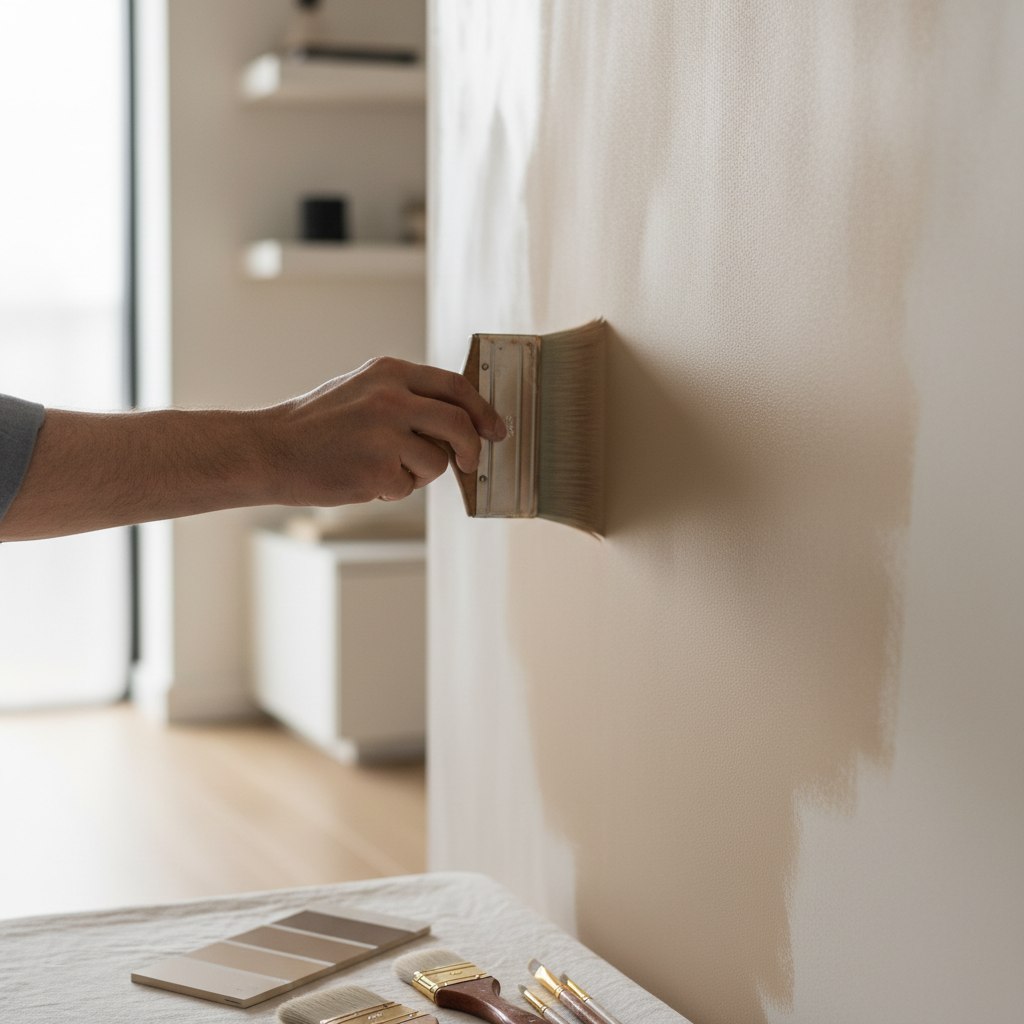
Stenciling is a popular technique that involves using pre-cut templates to apply patterns and designs with precision. This method is perfect for beginners and can be used on walls, floors, and even fabric. To start, choose a stencil design that complements your space, and use a brush or roller to apply the paint evenly.
For best results, secure the stencil with painter's tape to prevent movement. Layering different stencils can create a more complex and interesting visual effect. Remember to clean your stencils after each use to maintain their sharpness and quality.
Sponging for Texture
Sponging is a technique that adds texture and depth to painted surfaces. By using a natural sea sponge, you can create a mottled effect that mimics the appearance of stone or aged plaster. This technique works well for creating accent walls or adding interest to smaller decorative items.
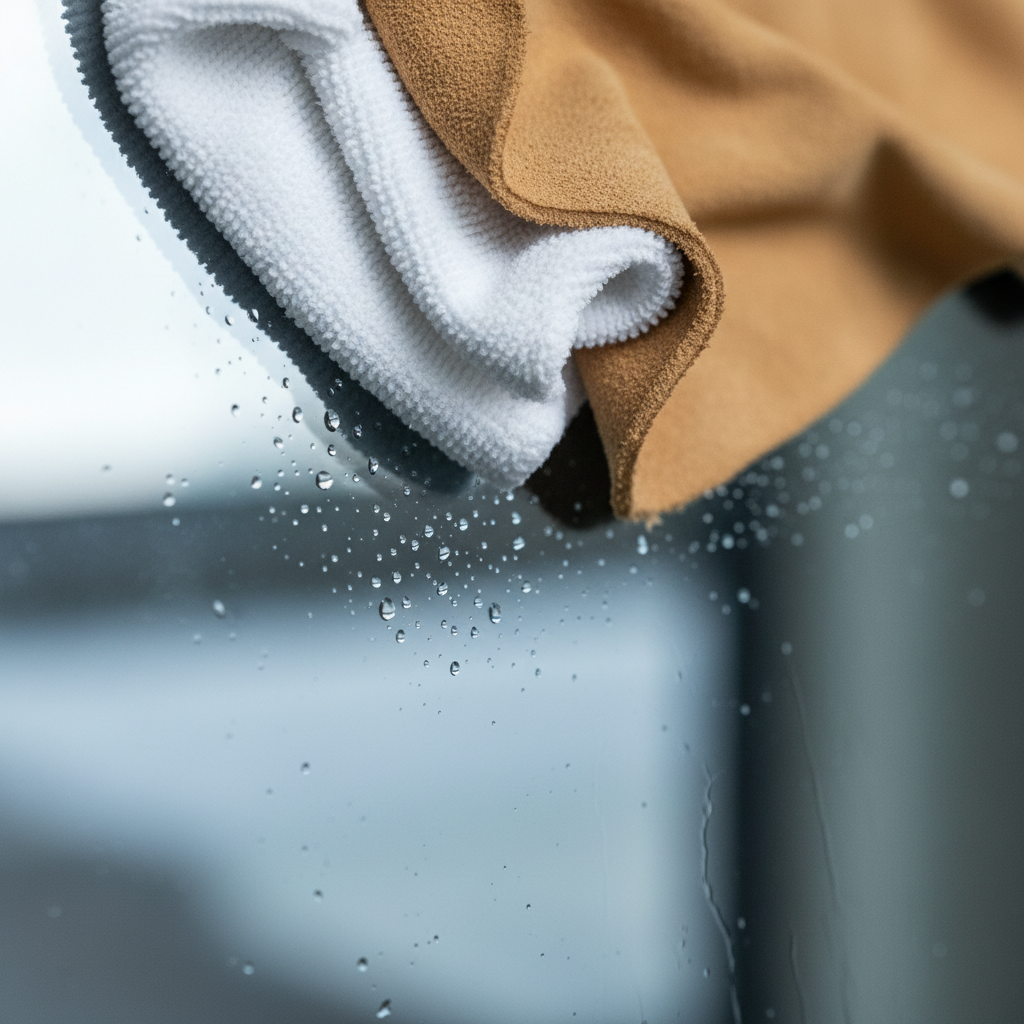
To sponge paint, dip the sponge into a small amount of paint, then dab it onto the surface in a random pattern. Experiment with different color combinations to achieve the desired look. It's a simple yet effective way to add rich texture to any project.
Marbling for Elegance
Marbling is a sophisticated technique that replicates the luxurious appearance of marble stone. This involves a combination of color blending and veining to achieve the realistic look of marble. It's ideal for table tops, countertops, or any surface that can benefit from a touch of elegance.
To create a marbled effect, start by painting a base color, then apply contrasting colors in a swirling motion using a feather or brush. Adding veins in a darker color can enhance the realism. Practice on a small piece before tackling larger surfaces.
Faux Finishes for Versatility
Faux finishes offer a range of possibilities for mimicking different textures and materials. From wood grain to leather, these techniques can transform surfaces without the cost and permanence of real materials. Faux finishes are versatile and can be applied to walls, furniture, and decorative pieces.
- Wood Grain: Use a wood graining tool to mimic the look of real wood.
- Leather: Create a leather-like appearance with a sponge and glaze.
- Metallic: Add shimmer with metallic paints and glazes.
Conclusion: Unleash Your Creativity
Decorative painting techniques offer endless opportunities to personalize and enhance your living spaces. Whether you opt for the precision of stenciling or the elegance of marbling, these methods can help you achieve stunning results. Embrace your creativity and experiment with different techniques to discover what works best for your style and space.