
Preparing Your Home for Seasonal Changes: Expert Interior Painting Tips


Understanding the Impact of Seasonal Changes
As the seasons change, so do the needs of your home. Fluctuations in temperature and humidity can affect your interior spaces, making it essential to adapt your home environment accordingly. One effective way to refresh and protect your home is through interior painting. Not only does it enhance the aesthetic appeal, but it also provides a layer of protection against the elements.
Each season brings its own set of challenges. Winter’s dry air can cause paint to crack, while summer’s humidity might lead to peeling. Preparing your home with the right painting techniques can mitigate these issues and ensure your walls remain flawless year-round.
Selecting the Right Paint
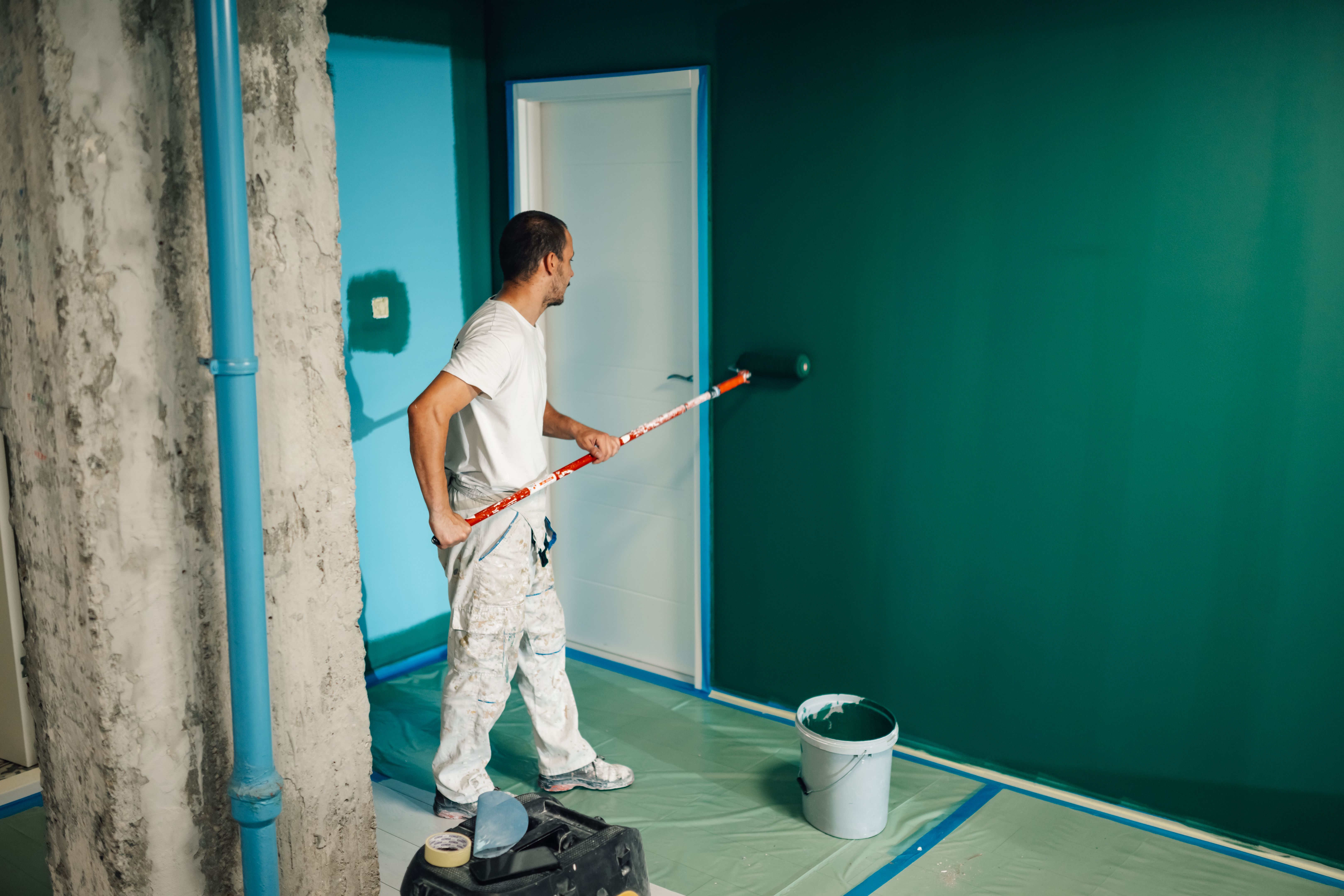
Choosing the appropriate paint is crucial for seasonal adaptability. Consider paints with moisture-resistant formulas for humid climates, while opting for thicker, insulating paints for colder weather. These specialized paints can help maintain the integrity of your walls and reduce the need for frequent touch-ups.
Color selection also plays a role in how your home feels across seasons. Warm colors can add coziness during the cooler months, while lighter shades can keep your space feeling airy and cool during the summer.
Consider the Finish
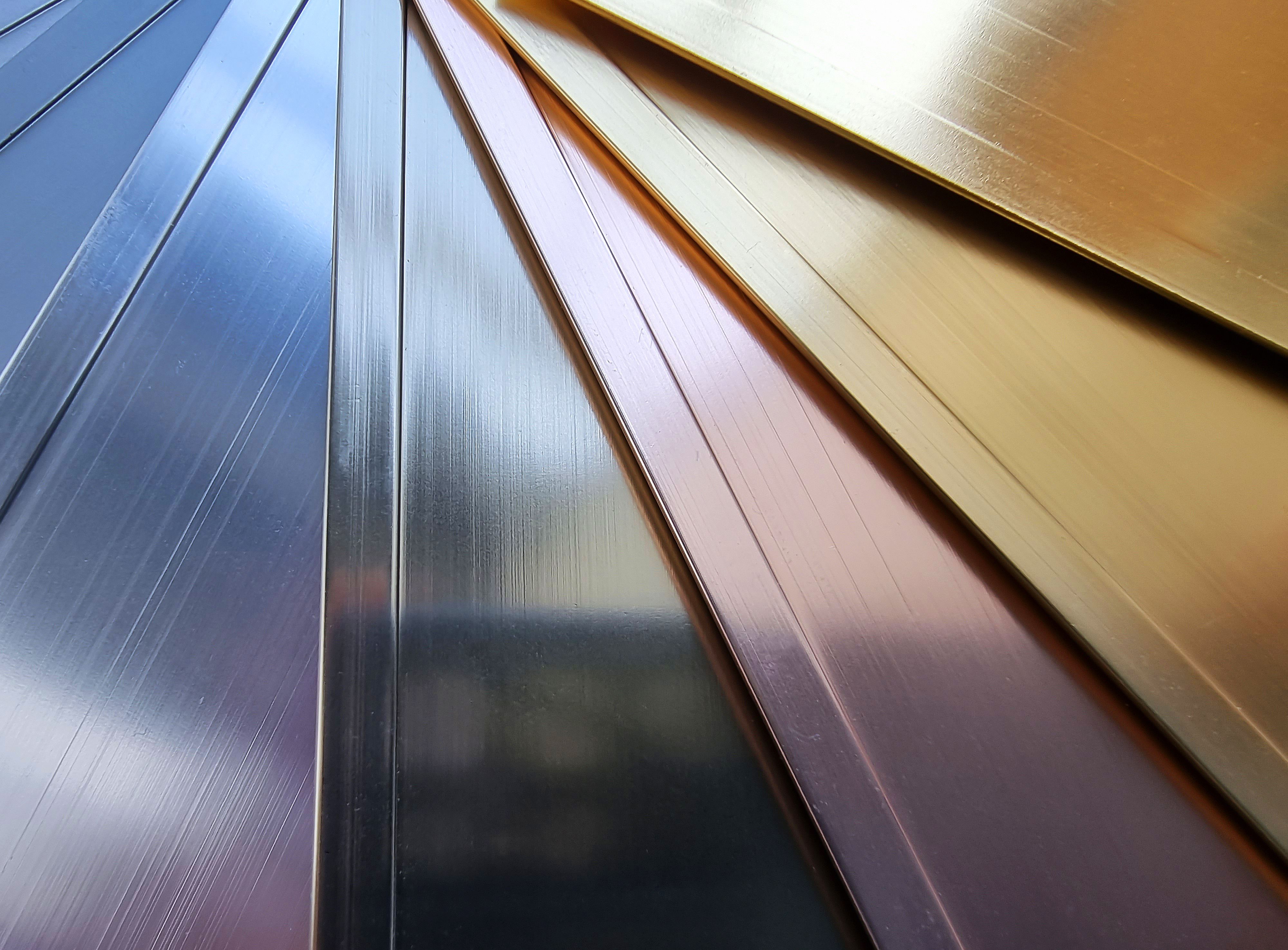
The finish of your paint can also influence durability and maintenance. For high-traffic areas, a semi-gloss or satin finish is ideal as it’s easier to clean. In contrast, matte finishes work well in bedrooms and living rooms for a soft, elegant look.
Preparing Your Walls
Before painting, proper wall preparation is essential. Begin by cleaning the walls to remove dust and grime, ensuring the paint adheres properly. Repair any cracks or holes with spackling paste, and sand the surface for a smooth finish.
Priming the walls is another critical step, especially if you’re making a significant color change. A good primer will cover existing stains and create a uniform base for the new paint.
Timing and Technique
Timing your painting project can impact the outcome. Spring and fall are often ideal, as moderate temperatures and humidity levels promote quicker drying times. Always check the weather forecast to avoid painting on particularly humid or cold days.
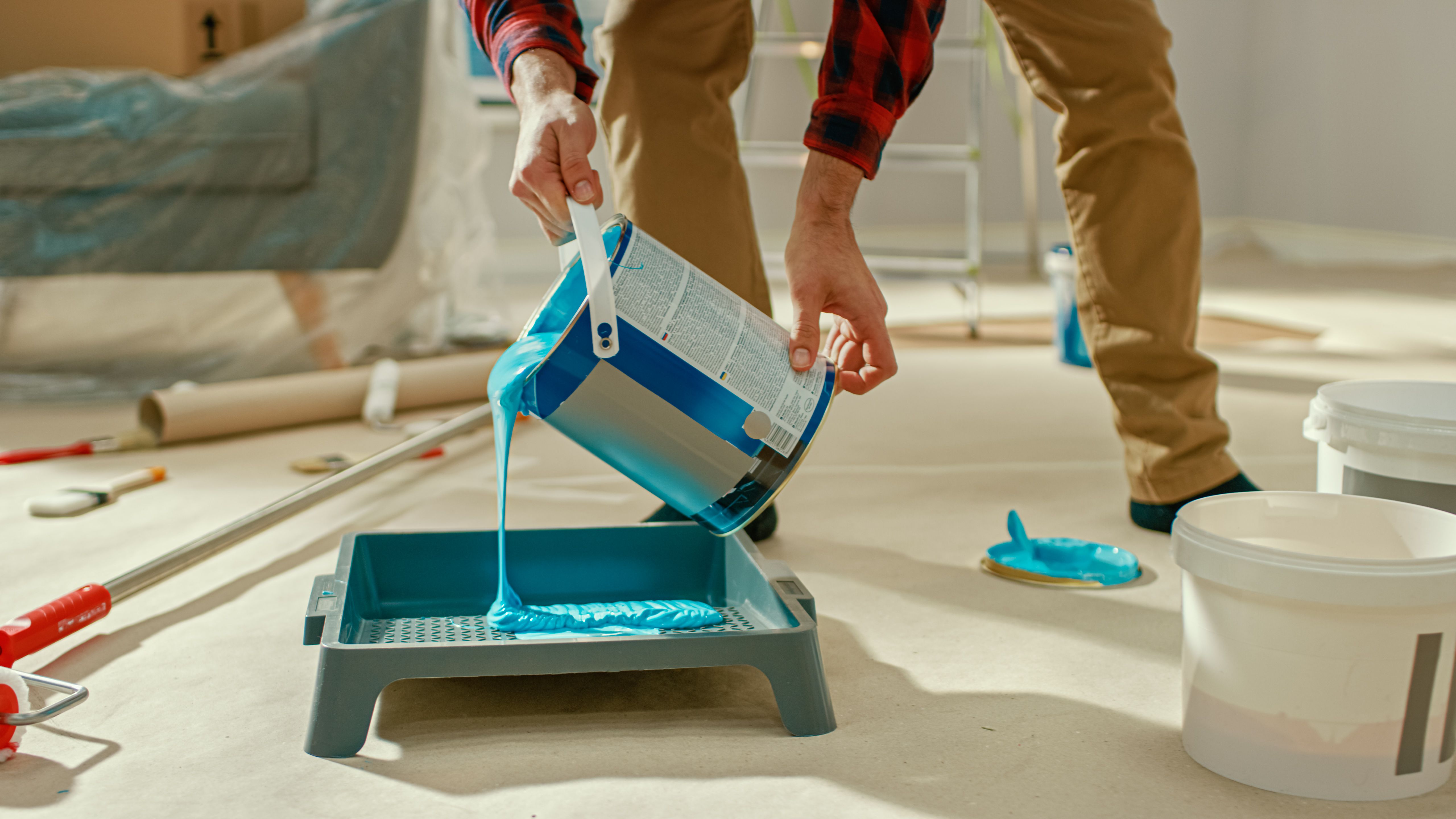
When painting, use quality brushes and rollers to ensure an even application. Apply two coats for the best coverage, allowing each layer to dry fully before applying the next. This patience will pay off with a professional-looking finish.
Seek Professional Help
If the task feels overwhelming, don’t hesitate to hire professional painters. Their expertise can save you time and ensure a flawless finish, especially for larger spaces or complex projects.
By taking these steps, you can prepare your home to face the challenges of each season with confidence and style.