
The Ultimate Guide to Popular Eco-Friendly Paints for Interiors


Understanding Eco-Friendly Paints
In recent years, the demand for eco-friendly paints has surged as homeowners become more environmentally conscious. These paints are designed to have a minimal impact on the environment and are free from harmful chemicals typically found in conventional paints, such as volatile organic compounds (VOCs). But what makes a paint truly eco-friendly?
Eco-friendly paints are formulated using natural ingredients, reducing the emission of toxins and improving indoor air quality. They are often made with plant-based oils, natural pigments, and water-based formulations. By choosing these paints, you contribute to a healthier home environment and a more sustainable planet.

Benefits of Using Eco-Friendly Paints
The advantages of using eco-friendly paints extend beyond environmental impact. One of the primary benefits is the improvement in indoor air quality. Traditional paints can release VOCs that contribute to respiratory issues and other health problems. Eco-friendly alternatives minimize these risks.
Furthermore, these paints are often more durable and provide excellent coverage, ensuring your walls look vibrant for years. They are also less likely to cause allergic reactions, making them ideal for homes with children or individuals with sensitivities.
Top Eco-Friendly Paint Brands
Several brands have emerged as leaders in the eco-friendly paint industry, offering a wide range of colors and finishes. Here are some popular choices:
- Benjamin Moore's Natura: Known for its zero-VOC formula, offering vibrant colors without compromising on performance.
- Farrow & Ball: Offers water-based paints with a natural finish, free from harmful chemicals.
- Behr Premium Plus: Provides a low-VOC option with excellent coverage and durability.
Choosing the Right Paint for Your Needs
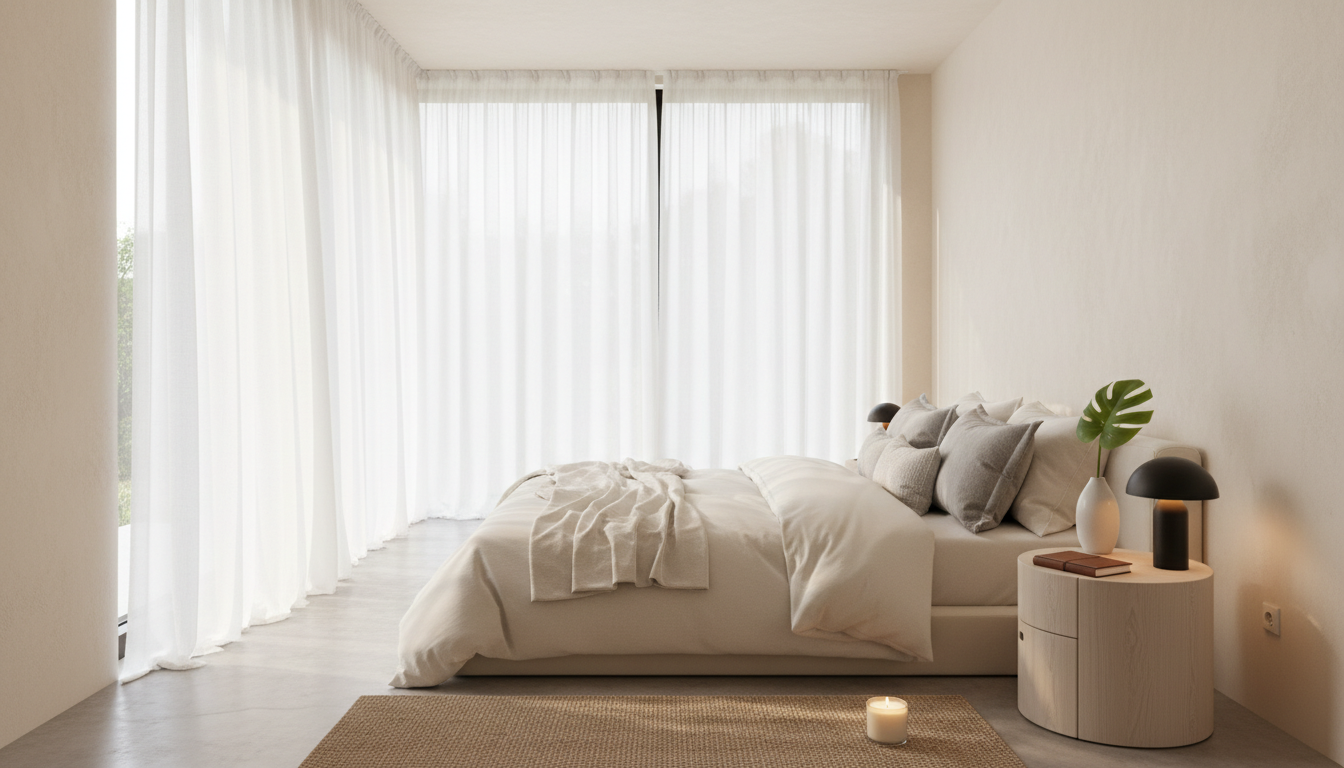
When selecting eco-friendly paints, consider the specific needs of your project. Factors such as the room's purpose, lighting, and desired finish should guide your choice. For instance, a matte finish may be ideal for a calm bedroom ambiance, while a semi-gloss could suit a high-traffic kitchen area.
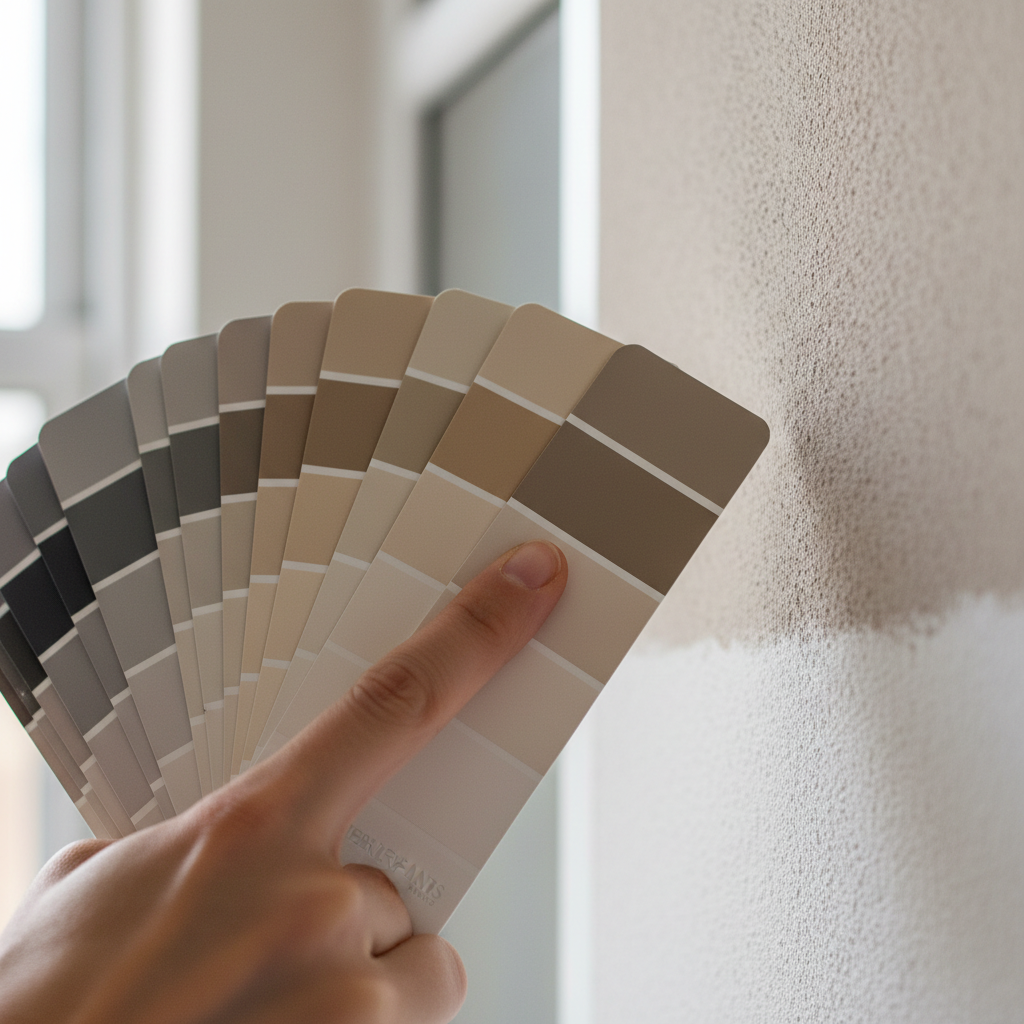
It's also essential to test a small patch before committing to a color. This allows you to see how the paint interacts with your space's lighting and decor. Make sure to check for certifications such as GreenGuard or LEED, which indicate rigorous environmental testing.
Tips for Applying Eco-Friendly Paints
Applying eco-friendly paints requires some attention to detail to achieve the best results. Here are a few tips:
- Prepare the Surface: Ensure the walls are clean, dry, and free from old paint or wallpaper.
- Use Quality Brushes and Rollers: These tools can affect the final finish, so invest in good-quality supplies.
- Apply Multiple Coats: Depending on the color and surface, multiple coats might be necessary to achieve the desired opacity.

Conclusion
Eco-friendly paints offer a sustainable solution for interior design, blending aesthetics with environmental responsibility. As you consider your next home improvement project, exploring these options can lead to a healthier and more sustainable living environment. With a wide range of brands and finishes available, it's easier than ever to make a choice that's kind to both your home and the planet.